
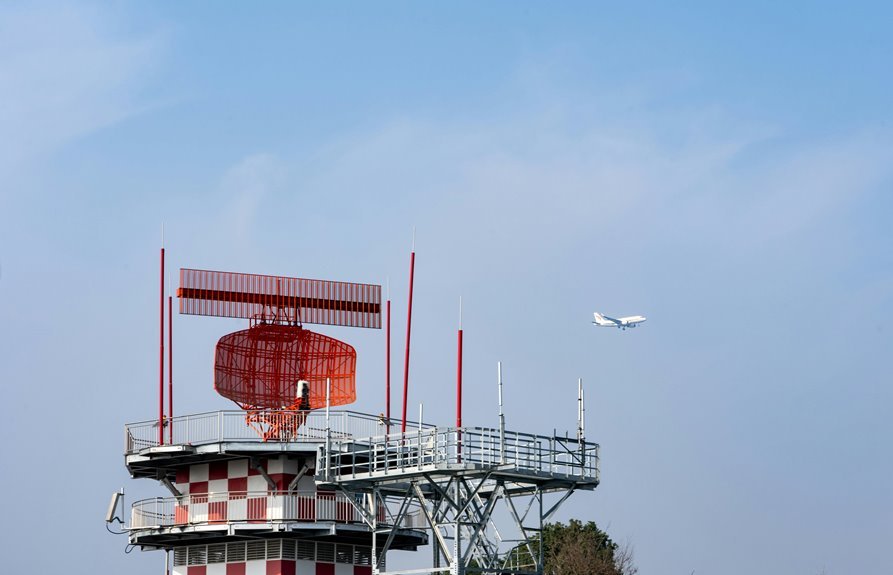


Smart Contact Discovery Radar is a real-time framework for verifying and cross-checking caller information across multiple trusted sources. It emphasizes deterministic matching, data provenance, and transparent source logging to ensure current, accurate contact records with low latency. Privacy, consent, and auditable handling are central, supporting user autonomy and opt-in controls. The approach invites scrutiny of data quality and governance, leaving open questions about implementation details and potential edge cases that merit further examination.
What Is Smart Contact Discovery Radar and Why It Helps?
Smart Contact Discovery Radar is a system that analyzes caller-related data to identify and verify contact information across multiple sources. The approach combines data integrity checks with cross-source validation, producing reliable contact records. It supports proactive verification, reduces erroneous listings, and enhances user freedom through transparent data sources. Key features include Smart contact synchronization and radar discovery, enabling precise, consent-aware lookups.
How Radar-Driven Caller Lookup Works in Real Time
Real-time radar-driven caller lookup operates by continuously ingesting live call data, cross-referencing it against multiple verified sources, and updating contact records on-the-fly. The process emphasizes deterministic matching, latency minimization, and scalable architectures. Call routing decisions reflect current context, while privacy implications prompt governance considerations. Outcomes include improved accuracy and responsiveness, with transparent auditing to support informed, freedom-friendly usage.
Data Sources, Privacy, and Consent in Smart Discovery
Data sources for smart discovery hinge on the quality, provenance, and governance of input signals used to identify and verify caller information. The framework examines privacy consent mechanisms, ongoing permission models, and transparent data-source logging. It emphasizes auditable provenance, risk-aware data handling, and user autonomy, ensuring freedom to opt in, reverse consent, and control over data sources while maintaining accurate discovery outcomes.
Practical Use Cases: From Screening Calls to Reconnecting Contacts
Practical use cases illustrate how screening calls and reconnecting contacts can be operationalized within a smart discovery framework.
The analysis evaluates radar utility in real-time screening, contact discovery efficiency, and post-call triage.
A smart contact framework supports two word discussion ideas: Contact discovery and Privacy consent, balancing efficiency with user autonomy while preserving freedom to opt out and review data handling.
Conclusion
Smart Contact Discovery Radar consolidates real-time data ingestion with deterministic matching to deliver timely, accurate caller information. By emphasizing provenance and source logging, it enables auditable verification while respecting user consent and opt-in controls. The system supports scalable call screening and contact reconciliation across trusted sources. Like a precision compass, it orients decisions with verifiable signals, reducing false matches and latency. In sum, it balances speed, accuracy, and privacy to enhance proactive caller verification.